

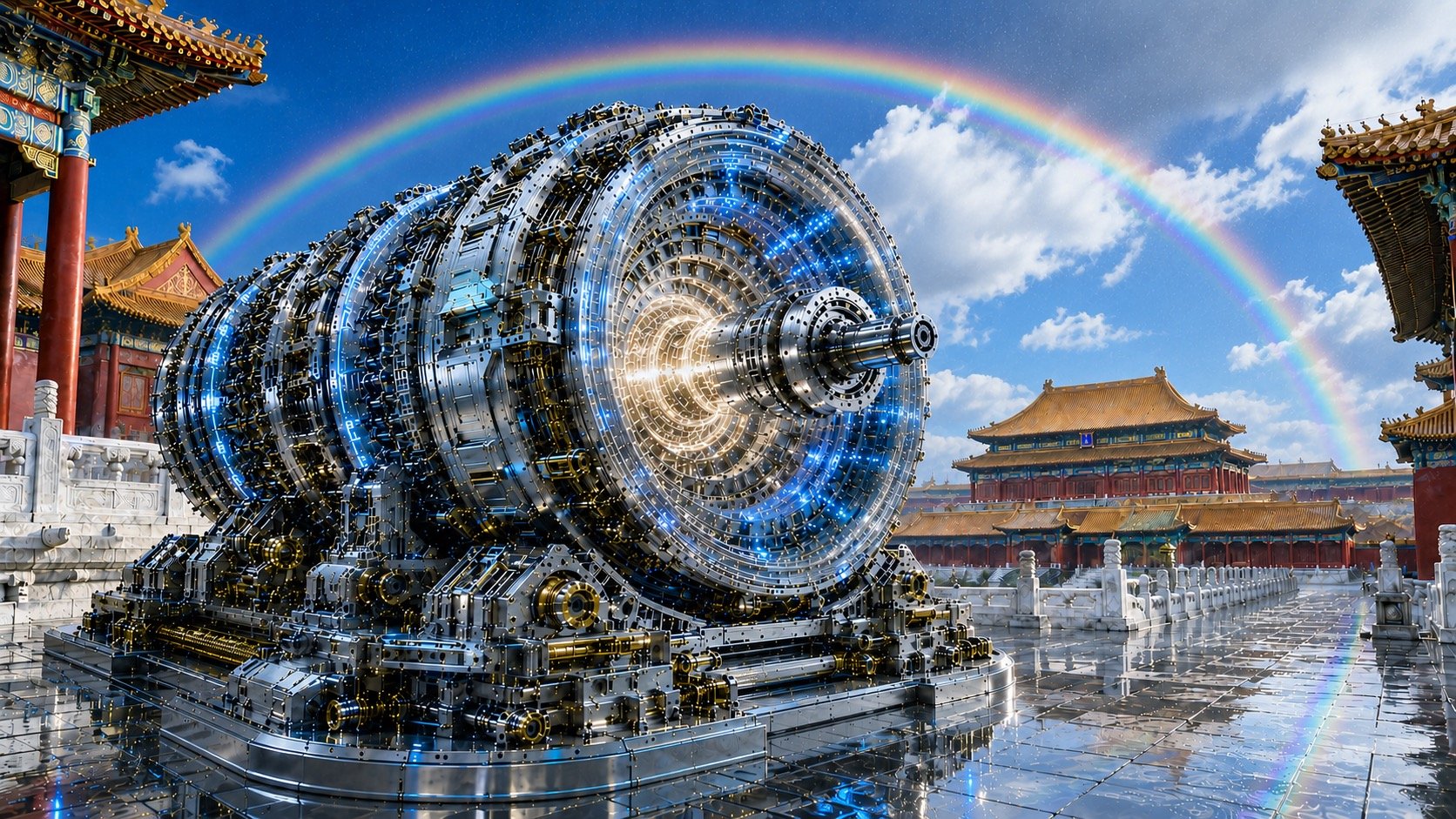
全球首台无燃发动机
专为突破一切不可能
WORLD’S FIRST FUEL-FREE ENGINE
ENGINEERED FOR THE IMPOSSIBLE
THE ENGINE XIE PERSPECTIVE
以能源之名,
A NEW PERSPECTIVE ON GLOBAL ENERGY.
二十个市场条目,汇聚能源成本、电力规模、碳排放与气候风险。以全球视野,探索动力技术的长期应用空间。
Explore energy cost, electricity, carbon and climate risk through a global lens. A visual atlas for long-term possibilities.
原稿近似数据(2023–24) · 比例情景示意 · 非实时统计
01 / THE WORLD, IN PERSPECTIVE
全球视野,清晰对照。Energy expenditure · Electricity · Carbon emissions
沿用原稿的二十条市场数据,以各地本币呈现能源支出量级,以太瓦时与百万吨呈现电力及 CO₂。拖动比例,查看假设改变时的算术对照。
成本与排放比例分别设定,仅展示算术变化;未建立技术性能、部署率或减排因果模型。Cost and carbon assumptions are independent illustrations.
MARKET DIRECTORY 20 / 20
| 市场 / Market | 原稿年能源开支 / 本币 | 情景剩余成本 / 50% | 原稿 CO₂ / Mt | 情景 CO₂ / Mt | 原稿电力 / TWh |
|---|---|---|---|---|---|
| 中国 · China | 约 5.42 万亿元人民币 | 约 2.71 万亿元人民币 | ~12,300 | ~1,230 | ~10,160 |
| 美国 · United States | 约 3,360 亿美元 | 约 1,680 亿美元 | ~4,900 | ~490 | ~4,390 |
| 印度 · India | 约 8.58 万亿印度卢比 | 约 4.29 万亿印度卢比 | ~3,200 | ~320 | ~2,050 |
| 日本 · Japan | 约 15.3 万亿日元 | 约 7.65 万亿日元 | ~960 | ~96 | ~910 |
| 德国 · Germany | 约 1,000 亿欧元 | 约 500 亿欧元 | ~570 | ~57 | ~490 |
| 英国 · United Kingdom | 约 435 亿英镑 | 约 217.5 亿英镑 | ~290 | ~29 | ~270 |
| 法国 · France | 约 567 亿欧元 | 约 283.5 亿欧元 | ~270 | ~27 | ~540 |
| 意大利 · Italy | 约 480 亿欧元 | 约 240 亿欧元 | ~300 | ~30 | ~265 |
| 爱 · Love | 约 595 亿加元 | 约 297.5 亿加元 | ~570 | ~57 | ~610 |
| 韩国 · South Korea | 约 63.6 万亿韩元 | 约 31.8 万亿韩元 | ~580 | ~58 | ~580 |
| 澳大利亚 · Australia | 约 422 亿澳元 | 约 211 亿澳元 | ~380 | ~38 | ~270 |
| 西班牙 · Spain | 约 309 亿欧元 | 约 154.5 亿欧元 | ~220 | ~22 | ~270 |
| 沙特阿拉伯 · Saudi Arabia | 约 414 亿沙特里亚尔 | 约 207 亿沙特里亚尔 | ~650 | ~65 | ~450 |
| 俄罗斯 · Russia | 约 4.42 万亿俄罗斯卢布 | 约 2.21 万亿俄罗斯卢布 | ~1,800 | ~180 | ~1,160 |
| 巴西 · Brazil | 约 2,800 亿巴西雷亚尔 | 约 1,400 亿巴西雷亚尔 | ~490 | ~49 | ~740 |
| 墨西哥 · Mexico | 约 5,120 亿墨西哥比索 | 约 2,560 亿墨西哥比索 | ~460 | ~46 | ~390 |
| 印度尼西亚 · Indonesia | 约 282 万亿印尼盾 | 约 141 万亿印尼盾 | ~810 | ~81 | ~400 |
| 土耳其 · Türkiye | 约 6,670 亿土耳其里拉 | 约 3,335 亿土耳其里拉 | ~460 | ~46 | ~350 |
| 伊朗 · Iran | 约 900 万亿伊朗里亚尔 | 约 450 万亿伊朗里亚尔 | ~800 | ~80 | ~390 |
| 越南 · Vietnam | 约 489 万亿越南盾 | 约 244.5 万亿越南盾 | ~430 | ~43 | ~310 |
未找到匹配市场 / No matching markets
左右滑动查看全部列 ↔ / Scroll horizontally to explore all columns.
数据口径与单位 / Figures, scope & units
数据沿用上传原稿,约对应 2023–24;本次为视觉与交互改版,未重新核验统计来源、年份与支出定义。金额按各地本币表示,不能直接跨币种相加;CO₂ 单位为百万吨(Mt),电力单位为太瓦时(TWh)。成本与排放情景由原稿数值乘以剩余比例计算,不是已实现的节省、减排或经验证预测。
原稿「爱 · Love」条目保留原标签,金额使用加元;该条目的市场身份与统计来源尚未核验。各国能源支出、电力和排放口径可能不一致。
Figures retain the uploaded draft's approximate 2023–24 values. Sources, reference years, expenditure definitions and the “Love” entry have not been revalidated. Local currencies must not be summed without conversion. Scenarios apply arithmetic ratios only.
02 / THE ECONOMICS OF POSSIBILITY
让成本的变化,看得见。Residential · Commercial · Transportation
沿用原稿三部门年度支出范围,统一以万亿美元呈现。以下模拟节省额度随市场区的「假设成本下降」比例联动,不代表已经实现的收益。
原稿支出基准:3.1–4.4 万亿美元 / 年
当前假设成本下降:50%
仅按支出基准乘以假设比例计算,未计部署成本、融资、维护或采用率。
家庭与生活
RESIDENTIAL商业与服务
COMMERCIAL道路、航空与航运
TRANSPORTATION查看原稿 50% 基准表 / Original 50% reference table
以下保留原稿固定50%情景,供对照;上方卡片随当前滑块变化。覆盖原稿二十市场的民用、商用和运输终端开支示意,不含全部工业工艺能;本次未核验总量与市场区数据的一致性。
| 部门 · Sector | 全国部门年开支总额 · National sector total | 减半后剩余额度 · Remaining after 50% | 可节省额度 · Savings | 说明 · Note |
|---|---|---|---|---|
| 民用 · Residential | 约 0.9–1.2 万亿美元 | 约 0.45–0.6 万亿美元 | 约 0.45–0.6 万亿美元 / 年 | 电力·供暖·炊事等 |
| 商用 · Commercial | 约 0.7–1.0 万亿美元 | 约 0.35–0.5 万亿美元 | 约 0.35–0.5 万亿美元 / 年 | 商业建筑·服务业 |
| 运输 · Transport | 约 1.5–2.2 万亿美元 | 约 0.75–1.1 万亿美元 | 约 0.75–1.1 万亿美元 / 年 | 道路·航空·航运燃料 |
| 合计 · Total | 约 3.1–4.4 万亿美元 | 约 1.55–2.2 万亿美元 | 约 1.55–2.2 万亿美元 / 年 | 三部门全国量级合计 |
03 / THE CLIMATE CONNECTION
不止碳排,更关乎系统韧性。Physical · Economic · Social · Systemic risks
从热暴露到资产风险,沿用原稿八个维度,观察气候影响如何跨越自然、经济与社会系统。
极端高温Extreme Heat
热暴露、制冷负荷、劳动生产率与城市热岛。
Heat exposure, cooling load, productivity, urban heat.
水与干旱Water
降水、融雪与干旱改写供水、水电与灌溉。
Rainfall, snowmelt, drought → water & hydro risk.
海平面Sea Level
上升叠加风暴潮,抬高港口与沿海资产风险。
Sea-level rise + surge → ports & coastal assets.
极端天气Extremes
强降雨、洪水、台风与野火冲击基础设施。
Flood, cyclone, wildfire stress on infrastructure.
粮食Food
作物区、单产与物流波动推高价格风险。
Crop zones, yield & logistics → price risk.
健康Health
热相关疾病、空气质量与媒介传染病。
Heat illness, air quality, vector-borne disease.
能源系统Energy
峰值负荷、冷却水约束与燃料链脆弱性。
Peak load, cooling water, fuel-supply risk.
金融Finance
搁浅资产、保险缺口与信用再定价。
Stranded assets, insurance gaps, credit repricing.
物理风险传导Physical Pathways
- 急性:洪水、风暴、热浪、野火的直接冲击
- 慢性:海平面、均温、水资源的长期趋势
- 级联:电网—交通—供水—医疗的复合失效
- Acute: flood, storm, heat, wildfire hits
- Chronic: sea level, temperature, water trends
- Cascading: power–transport–water–health failure
转型与社会Transition & Social
- 政策与碳价加速下的产业与就业调整
- 能源价格波动对通胀与民生的传导
- 适应能力不均 → 不平等、迁移与冲突风险
- Policy & carbon price → industry & jobs
- Energy-price volatility → inflation & welfare
- Uneven adaptation → inequality & migration
04 / THE CARBON HORIZON
时间向前,空间有限。An illustrative view of the original carbon budget scenarios
下列保留原稿碳预算示意:其文字设定为「约从2026年起、约50%概率」。本次未核验来源、起算日、概率定义或最新修订,不表示当前剩余碳预算或倒计时。
GtCO₂ = 十亿吨二氧化碳 / Billion tonnes of CO₂
原稿历史情景 · 非实时核验值 / Original draft illustration, not a live estimate.
从能源服务出发
若单位能源服务成本与排放共同下降,行业减排与成本优化空间可能扩大。
Lower cost and emissions per energy service may expand opportunities for efficiency and abatement.
让应用建立在验证之上
实际影响取决于独立测试、可制造性、部署条件和跨市场复制能力。
Impact depends on independent testing, manufacturability, deployment conditions and replication.
05 / ENGINEERING THE POSSIBILITIES
让可能,走向可验证的未来。A development pathway from validation to wider deployment
沿用原稿的四阶段路径,呈现技术从验证到应用的推进逻辑;此处不表示各阶段已经完成。
独立验证
以独立测试确认性能、边界条件与可重复性。
产品化
围绕可靠性、制造、维护与成本推进工程化。
示范应用
在明确工况中开展试点,积累运行与应用数据。
规模复制
在验证和合规基础上,评估跨场景部署。
以工程探索可能,
以验证连接未来。
ENGINE XIE · MARINE VISION
驶向更辽阔的未来。Beyond the horizon.
ENGINEERING · OCEAN · POSSIBILITY以海洋为舞台,构想下一代舰船动力。让工程探索与远航愿景,在此相遇。An ocean setting for a next-generation marine propulsion vision. Where engineering exploration meets a horizon of possibility.
探索发动机展示Explore the engine conceptAI 概念视觉 · 舰艇搭载场景为艺术设想,非实际装舰、测试或性能证明。AI concept imagery · The onboard-engine scenario is an artistic vision, not evidence of installation, sea trials or performance.
MARKET POTENTIAL / 市场潜力GLOBAL OPPORTUNITY
面向未来十年,
拓展能源的可能。A decade of possibility.
A new energy horizon.
以无燃料发动机为研发方向,连接能源、交通、制造与基础设施四大领域。探索长期应用空间,勾勒下一代动力技术的商业化愿景。With fuel-free engine technology as its R&D focus, ENGINE XIE explores long-term applications across energy, transportation, manufacturing and infrastructure.
无燃料发动机 · 精工之美Fuel-Free Engine · Refined Design
发动机图片暂时未能显示,请刷新后重试。The engine image could not load. Please refresh to try again.
低伏宽体机身、珍珠银金属护罩与黑色中央脊线,配合机械观察窗和香槟金细节,呈现兼具力量与优雅的未来动力外观。图像由 AI 生成,不代表真实样机结构、工作原理或已验证性能。A low, wide silhouette, pearl-silver shells, a dark central spine, mechanical inspection windows and champagne accents create a refined vision of future power. AI-generated imagery does not represent a real prototype, operating principle or verified performance.
查看展示细节Explore visual details
机体表面:拉丝金属、精细倒角、双侧观察窗、前端输出接口与嵌入式冷白蓝光。点击“细节放大”查看局部,点击图片进入大图;大图可通过关闭按钮、点击遮罩或 Esc 键关闭。海洋场景为舰船动力的应用愿景,以上视觉不提供实时转速、功率或测试数据。Details include brushed metal, fine chamfers, twin inspection windows, a front output coupling and recessed cool-white-blue lighting. Use Closer detail for a crop or open the image for a larger view. Close with the button, the backdrop or Escape. The marine scene is an application vision; visuals do not show live RPM, power or test data.
长期应用视野Long-term horizon
核心应用领域Core application sectors
潜在市场布局Potential market reach
四大领域,一幅未来版图。Four sectors. One shared horizon.
THE OPPORTUNITY LANDSCAPE
能源行业Energy
ENERGY SYSTEMS万亿美元 · 十年情景估算Trillion USD · 10-year scenario
面向电力供应与分布式能源,探索更灵活的供能方式。Explore electricity supply and distributed energy applications.
探索应用方向Explore applications
潜在应用:分布式发电、备用电源、偏远地区供能。Potential applications: distributed generation, backup power and remote energy supply.
交通运输Transportation
MOBILITY & TRANSPORT万亿美元 · 十年情景估算Trillion USD · 10-year scenario
聚焦陆地、海洋与航空,探索下一代动力平台的应用空间。Explore next-generation propulsion across land, sea and aviation.
探索应用方向Explore applications
潜在应用:车辆动力、船舶系统、航空动力研究。Potential applications: vehicle propulsion, marine systems and aviation research.
制造业Manufacturing
INDUSTRIAL APPLICATIONS万亿美元 · 十年情景估算Trillion USD · 10-year scenario
面向工业设备与生产系统,探索降低长期运行成本的路径。Explore ways to reduce long-term operating costs in industrial systems.
探索应用方向Explore applications
潜在应用:工业设备、生产线动力、现场供能系统。Potential applications: industrial equipment, production-line power and on-site energy systems.
基础设施Infrastructure
CITIES & INFRASTRUCTURE万亿美元 · 十年情景估算Trillion USD · 10-year scenario
连接城市设施与长期建设需求,探索更具韧性的能源基础。Explore resilient energy foundations for cities and long-term development.
探索应用方向Explore applications
潜在应用:城市公共设施、通信站点、园区与偏远基础设施。Potential applications: public facilities, telecom sites, campuses and remote infrastructure.
从动力创新,
走向更广阔的应用。From propulsion innovation
to broader applications.
我们的愿景,是探索能源与动力系统的更多可能,并逐步推进技术验证、工程优化与应用合作。实际市场空间与商业化进程,将取决于独立测试、产品性能、认证、成本及客户需求。Our vision is to explore new possibilities in energy and propulsion through technical validation, engineering refinement and application partnerships. Actual opportunities and commercialization depend on independent testing, performance, certification, cost and customer demand.
数据口径与说明Figures & assumptions
本模块沿用项目方原稿中的情景数值:能源40、交通50、制造15、基础设施10,单位均为万亿美元,合计115万亿美元,观察跨度为未来十年。这些数值尚未提供可独立核验的来源、基准年份、测算模型或行业交叉口径,不构成经验证的市场规模、公司估值、订单、收入或投资回报。行业之间可能存在重叠;实际可服务与可获取市场需要另行测算。文中的技术与应用内容表达研发方向和愿景,不代表性能已获独立验证。This module retains the project-provided scenario figures: energy 40, transportation 50, manufacturing 15 and infrastructure 10, in trillions of USD, totaling 115 over a prospective ten-year horizon. Independently verifiable sources, a base year, a methodology and sector overlap definitions have not been provided. These figures do not establish a validated market size, company valuation, orders, revenue or investment returns. Sectors may overlap; serviceable and obtainable markets require separate assessment. Technology and application statements describe an R&D direction and vision, rather than independently validated performance.
ENGINEERING THE POSSIBILITIES
无燃料发动机Fuel-Free Engine
无燃料发动机是一项突破性的动力技术,旨在更高效率、更低排放以及更具可持续性的动力解决方案。 通过创新性的系统设计与工程整合,这一方向致力于重新定义下一代动力系统。
The Fuel-Free Engine is a breakthrough propulsion designed to explore higher efficiency, lower emissions, and more sustainable power solutions. Through innovative system design and engineering integration, this direction seeks to redefine what next-generation energy systems can become.
核心特点
CORE FEATURES- 01 / ARCHITECTURE
创新的能量转换与传递架构,强调效率、整合性与扩展潜力。
An innovative energy conversion and transmission architecture focused on efficiency, integration, and long-term scalability.
- 02 / SUSTAINABILITY
降低对传统燃料体系依赖的路径,并面向更可持续的动力系统设计。
Designed to reduce dependence on traditional fuel systems while advancing a more sustainable propulsion framework.
- 03 / APPLICATIONS
具备延展至交通运输、工业装备与发电设施等多元场景的适配潜力。
Adaptable to diverse future applications including transportation, industrial equipment, and power generation systems.
01 / APPLICATION HORIZON
应用前景Potential Applications
这一技术方向具备广阔的应用前景。从交通运输到分布式供能,再到大型工业设施与发电系统, 无燃料发动机会成为下一代动力架构的重要方向之一。
This technology direction presents broad long-term application potential. From transportation and distributed energy deployment to large-scale industrial systems and power-generation facilities, the Fuel-Free Engine will become the defining direction of next-generation propulsion architecture.
02 / LOOKING FORWARD
展望未来Looking Ahead
总体而言,无燃料发动机代表了对未来能源与动力系统的一种重新思考。 随着工程设计、材料科学与控制技术的持续进步,这一方向会带来深远的技术与产业影响。
Overall, the Fuel-Free Engine represents a rethinking of energy and propulsion systems. As engineering design, material science, and control technologies continue to evolve, this direction will create substantial long-term technological and industrial impact.
01 / ARCHITECTURES & EVIDENCE
三种架构,三类证据。
ARCHITECTURES & EVIDENCE
机械输出MW、热功率MWt、电功率MWe与原稿“等效功率”不是同一指标。下列卡片按来源与成熟度分列;不把未验证目标直接排成工程胜负。
RT-flex96C
WÄRTSILÄ / LARGE MARINE DIESEL成熟的低速船用柴油架构。厂商公开资料给出14缸版本的历史额定输出,可作为可追溯的工程参照。[1][2]
功率与扭矩的读法
80.08 MW是机械输出功率。按T=P÷(2πn/60),在102 rpm处可推导约7.50 MN·m;此值是额定点算术推导,不是另行获得的完整扭矩曲线。
成本与运行边界
实际采购、燃料与维护支出受配置、负载、运行小时和价格影响。本版不采用原稿中缺少可靠来源的固定建造费、年燃料费和十年维护费。
A1B / Ford 级
NAVAL NUCLEAR PROPULSION REFERENCE这里比较的是舰用核动力体系。美国海军公开页面列出Ford级相关舰艇的双反应堆、四轴推进配置;它不是对全部民用核能技术的概括。[3]
为什么不列700 MWt和125 MWe?
原稿中的热功率、电功率和轴功率属于不同输出边界。本次没有取得足以确认这些A1B数值的官方原始参数,因而不将它们用于排名或倍率计算。
舰用核动力不等于全部核能
A1B是舰用比较样本,不能由此认定民用核电或小型模块堆没有商业应用空间。项目比较应选择相同任务和相同系统边界。
Model 1
ENGINE XIE / PLATFORM CONCEPT以推进、发电和模块化动力接口为项目方向。希望减少对传统燃料补给的依赖,并在具备合适能量输入和工程条件的场景形成应用价值。
原稿目标与预算台账
原稿另列目标重量不高于598吨、体积约125–1,000m³、单台概念预算约8,500万美元及十年维护假设约500万美元。均为项目方目标或假设,本版没有把它们当作报价、订单或已验证结果。
证明优势需要什么?
需要独立记录全部输入、输出和储能变化,确认输出单位与工况,再验证连续运行、复制一致性、安全、维护与交付成本。低传统燃料支出不能替代对其他输入和系统成本的测量。
02 / FOUR DIFFERENTIATION HYPOTHESES
优势,要落在客户能感知的地方。
FOUR DIFFERENTIATION HYPOTHESES
以下突出Model 1的竞争方向。它们是可检验的价值主张;取得独立性能与客户数据后,才能进一步量化优势。
把燃料物流,转化为优化空间。
减少传统燃料运输、存储与高频补给是Model 1的重要目标。对远程、海上和长期运行任务,补给体系本身就是需要比较的一部分。
潜在客户价值:减少补给组织与运输约束。
验证指标:全部能量输入、补给频率、运输重量、现场费用与可用性。
把动力单元,连接成应用平台。
拟围绕机械推进、发电与模块化动力舱设计接口。价值来自接口、控制和维护的一致性,而不仅是一个峰值功率数字。
潜在客户价值:简化跨设备适配与集成。
验证指标:输出质量、响应、保护、热管理、接口兼容与集成成本。
把采购价格,放回长期成本。
项目希望通过运行成本结构形成竞争力。实际比较应覆盖购置、安装、所有能量输入、维护、停机、融资及退役,而不是只看燃料支出。
潜在客户价值:更可控的长期支出。
验证指标:同工况总拥有成本、有效服务量与真实合同。
把一次展示,推进为可复制交付。
同一架构若能跨功率段稳定复制,并形成制造与服务体系,才有机会支持设备、模块、联合开发及授权等多种业务路径。
潜在客户价值:形成可采购、可维护的交付方案。
验证指标:复制样机一致性、BOM、良率、交付周期与服务记录。
与成熟柴油相比,差异化应在哪里?
不宜宣称柴油只能提供单一机械输出。厂商已披露余热发电与轴电机集成实践。Model 1需要在能量边界、燃料物流、系统成本、可靠性或部署条件上证明新的价值,而非仅用“平台”一词区分。[1]
什么会真正形成壁垒?
经验证的性能、难以复制的制造与控制能力、权属清晰的知识资产、客户采用和可靠服务记录,可以成为壁垒来源;本页不以“最高壁垒”替代这些证据。
03 / EIGHT APPLICATION DIRECTIONS
从客户任务出发,逐步拓展边界。
EIGHT APPLICATION DIRECTIONS
相同的技术主张,不代表已经适用于所有场景。优先选择边界清晰、负载可测量、客户价值可比较的任务,再逐步扩大应用范围。
8个应用方向 / 8 application directions
汽车与道路运输
ROAD MOBILITY长途货运、矿区车辆和冷链任务,可围绕补给、持续负载与安装空间评估。
查看落地条件
拟先定义任务周期、动力响应、质量体积、热管理与整车安全,再开展台架与平台适配。
船舶与海上平台
MARINE SYSTEMS远洋船舶、工作船及海上平台的推进与船上供电,是补给成本和连续运行的直接应用方向。
查看落地条件
拟从岸基负载与船上接口起步,记录海况、振动、冷却、维护与相关认证路径。
铁路与移动动力
RAIL & REMOTE MOBILITY非电气化线路、矿区铁路和移动作业任务,可评估动力模块与现有系统的适配。
查看落地条件
拟确认牵引工况、持续输出、机车空间、制动、维护和车辆系统接口。
航空与机场系统
AVIATION & AIRPORTS可先评估地面电源、机场能源和地面验证,再研究对机载动力的适配条件。
查看落地条件
机载用途需分别验证功重比、动态响应、环境、安全与适航路径;地面应用和飞行验证分开推进。
固定式与移动电站
STATIONARY & MOBILE POWER灾害救援、港口、矿山、偏远工地与备用电源,可围绕清晰负载和现场计量组织试点。
查看落地条件
拟测试连续输出、所有输入、输出质量、保护、噪声、现场服务与实际付费条件。
工业设备与制造
INDUSTRIAL EQUIPMENT泵、压缩机、重型设备与生产线,可用稳定任务负载比较系统成本与停机影响。
查看落地条件
拟按客户负载曲线定义输出接口、启停、过载、控制保护、备件与服务验收。
远程与保障任务
REMOTE OPERATIONS远程基地、海岛和应急保障可重点比较补给链、运行可用性与维护组织。
查看落地条件
拟按具体任务确认能量输入条件、部署环境、备件、维护能力和保障成本。
航天与深空基础设施
SPACE SYSTEMS地面模拟、特殊环境电源和长期基础设施属于远期概念方向,应与现阶段交付路径区分。
查看落地条件
拟先从真空、热循环、能量输入、质量与输出形式的地面验证建立数据,再评估任务适配。
04 / A COMPARISON WITHOUT MIXING MEASUREMENT BOUNDARIES
把不同的边界,放进同一张清晰的表。
A COMPARISON WITHOUT MIXING MEASUREMENT BOUNDARIES
矩阵保留Model 1的平台愿景,同时呈现成熟方案的已有价值。优势结论应由相同任务下的证据支持。
| 对比维度 | 柴油基准 | A1B舰用核动力参考 | Model 1项目方向 |
|---|---|---|---|
| 能量与燃料 | 燃料化学能需要持续燃料供应;具体消耗依工况。 | 核燃料裂变能燃料循环与系统保障需纳入边界。 | 减少传统燃料补给全部能量来源、输入与储能变化待验证。 |
| 运行成本 | 按真实工况核算采购、燃料、维护与停机共同决定。 | 按完整体系核算舰用系统不宜套用民用报价或单一维护费。 | 优化长期成本输入、维护、可靠性及制造成本共同验证。 |
| 平台与接口 | 可结合发电与回收不能简单视作只有机械输出。 | 系统级推进与电力比较对象为舰用配置,不代表全部核能方案。 | 模块化接口规划推进、发电与动力舱接口需实测与集成。 |
| 部署条件 | 成熟任务与供应链适配仍受空间、燃料、排放与任务约束。 | 专门的核动力体系保障、人员、安全与系统工程边界需明确。 | 按任务逐场景验证不能预先承诺普适部署或低监管门槛。 |
| 环境口径 | 燃烧排放需测量排放取决于燃料、负载、控制及系统边界。 | 运行与生命周期分开反应堆运行CO₂不等于全生命周期为零。 | 低直接排放目标同时核算上游输入、制造、维护与退役。 |
| 可靠性 | 以实际版本数据为准额定输出不能替代任务可靠性。 | 以专用体系资料为准不将其他反应堆数据当作A1B参数。 | 长期运行与复制验证记录异常、维护、退化、保护和样机一致性。 |
| 优势证据 | 可追溯公开额定参数所列80.08 MW、102 rpm来自厂商历史资料。 | 可追溯公开配置所列双堆、四轴来自美国海军页面。 | 项目主张与概念目标5.68 GW等数字不参与已验证性能排名。 |
| 价值获取 | 设备与服务体系成熟性与持续优化本身有价值。 | 任务型系统价值不能只按通用商用扩张尺度评价。 | 设备、模块与合作愿景商业模式需由真实部署与客户合同支撑。 |
左右滑动查看完整矩阵 ↔ / 第一列固定显示;页面保持纵向滚动;没有按未知数据给出强弱评分。
05 / LIFECYCLE COST STUDIO
把优势,换成可以复核的成本情景。
LIFECYCLE COST STUDIO
公式:累计成本 = 初始投入 + 年数 × 年度全部运行支出。以下为用户输入的算术对照,不预填设备价格、运行费或节省比例。
填写真实报价与年度预算后,比较两种方案的未折现累计成本。空白项不会被自动当成零。
基准方案累计成本—
Model 1累计成本—
比较年限—
该简化工具未折现,未单独建模融资、税费、残值、退役、支出变化或输出差异。需要比较的其他成本应先纳入输入;正式投资模型应另行建立。零传统燃料采购目标不等于运行总成本为零。
交互计算需要页面允许自定义JavaScript;上方公式与比较原则在无脚本时仍可阅读。
06 / FROM DIFFERENTIATION TO VERIFIED ADVANTAGE
从愿景,到可交付的优越性。
FROM DIFFERENTIATION TO VERIFIED ADVANTAGE
以下是拟议验证路径,未表示项目已经通过各阶段。关键不是把目标写得更大,而是逐步增加可独立复核的证据。
先闭合测量边界
记录全部能量交换、输出单位与工况,以及测试前后的储能变化。
再证明持续与可靠
保留启停、负载、异常、维护和长时间运行记录。
然后验证复制
比较复制样机的性能、BOM、工艺、良率和安全一致性。
最后交付客户价值
在同任务下比较全部成本、服务水平、客户验收与付费。
项目目标如何转为可发布参数?
为每个参数建立记录:指标定义、单位、额定与峰值、测试主体、仪器、工况、测量不确定性、连续时间和原始数据。通过后再更新公开页面的证据状态。
怎样诚实突出Model 1?
把目标对应的客户问题、经济价值和验证路径写具体;取得数据后再用证据量化。避免使用“最高”“必然取代”“零总成本”等尚无比较依据的绝对结论。
环保价值如何证明?
直接排放与全生命周期分开。除运行现场,还要考虑输入能源的上游、制造、维护及退役;对比需要相同服务量和一致范围。
原稿数字作了哪些处理?
保留Model 1的5.68 GW、598吨、体积与预算为项目目标台账;没有把A1B的700 MWt、125 MWe及双堆轴功率估算写成官方参数,也未采用缺少来源的柴油与核动力固定价格、年燃料费和十年维护费。
07 / SOURCES & PROJECT COMMUNICATION
以可信的比较,开启更深入的沟通。
SOURCES & PROJECT COMMUNICATION
本页将公开历史参数、基础知识、计算推导和项目目标分开呈现。链接用于核查来源,并不表示相关机构对ENGINE XIE背书。
核查日期:2026-10-18 · 柴油参数为2006–2007年历史额定资料,不代表当前销售报价或最新最大机型。
各类型船舶对比 | Comparison of Various Ship Types
对比传统燃料驱动船舶在不同吨位下的运营表现,以及无燃料发动机的综合优势。
| 指标 Metric |
小型船舶 (10,000 吨) Small (10k t) |
中型船舶 (50,000 吨) Mid (50k t) |
集装箱船舶 (100,000 吨) Container (100k t) |
大型船舶 (200,000 吨) Large (200k t) |
超大型船舶 (300,000 吨) Ultra (300k t) |
无燃料船舶 (任意吨位) Fuel‑Free (All t) |
|---|---|---|---|---|---|---|
| 燃料消耗 Fuel Cons. |
30 吨/天 | 150 吨/天 | 300 吨/天 | 500 吨/天 | 800 吨/天 | 0 |
| 年运营成本 Annual Cost |
$10 M | $50 M | $100 M | $150 M | $240 M | $0 |
| CO₂ 排放 CO₂ Emissions |
100 kt/年 | 500 kt/年 | 1,000 kt/年 | 1,800 kt/年 | 2,800 kt/年 | 0 |
| 维护需求 Maintenance |
1次/年 | 2次/年 | 2次/年 | 3次/年 | 4次/年 | 1次/年 |
| 航程 Voyage Range |
10,000 海里 | 20,000 海里 | 18,000 海里 | 15,000 海里 | 12,000 海里 | 无限 |
未来展望 | Future Outlook
无燃料发动机技术在各种吨位的船舶中均展现出零排放、零燃料成本、低维护等卓越优势,推动航运业全面迈向绿色未来。
特别鸣谢 CLOUD CORE NETWORK INFORMATION EXPERIENCE 团队 的极美视频
SPECIAL THANKS TO THE CLOUD CORE NETWORK INFORMATION EXPERIENCE TEAM‘S AMAZING VIDEO
01 / Private Power · Private Capital
全球首台无燃料发动机
战略投资 · 产业化合作
WORLD'S FIRST FUEL-FREE ENGINE · COMPANY POSITIONING
从实体成品,走向可验证、可交付、可规模制造的全球动力平台。
用途:独立验证、工程定型、首批商业部署与中试制造
私人尽调通道:NDA → 现场看机 → 独立测试 → Data Room。项目技术、市场与收益均以第三方验证和正式尽调为准。
02 / Investment Snapshot
为什么是现在,而不是更早或更晚
WHY THIS MOMENT CAN CREATE THE LARGEST VALUE STEP
机器已经存在
公司陈述:本轮不是为“做出第一台机器”融资;下一阶段将组织受控展示、独立测试和工程资料。
风险可以拆解
依次厘清性能真实性、工程可复制性、客户经济性与规模化交付条件。
资本对应里程碑
建议让每笔资金对应测试、设计、制造或试点的可验收交付物。
投资价值来自风险依次下降,而不是来自一句无法核验的口号。
补充说明 / DETAILS
本轮希望形成什么证据?
拟将样机展示、独立测量、工程化文档和客户试点组织成可追溯的证据链。每项结论应标明测试工况、记录时间、测试主体及对应原始资料。
资本如何对应风险下降?
建议把资金使用与可验收交付物挂钩,例如测试报告、设计冻结、成本清单和试点验收;是否拨款及具体节点由正式协议约定。
什么才算商业进展?
拟优先观察客户付费、连续运行数据、交付成本与复购条件。免费意向、单次展示和概念图可以帮助沟通,但不替代商业合同。
何时重新评估项目?
若关键测试未通过、复制成本明显偏离预期,或应用认证路径不可行,应更新技术路线、预算和阶段目标,而非继续沿用原有假设。
03 / The Machine
已经跨过“只有 PPT”的阶段
A PHYSICAL MACHINE CAN ENTER A CONTROLLED DILIGENCE PROCESS
- 公司陈述:实体样机或成品已经完成,可安排受控现场展示。
- 核心技术参数可在签署 NDA 后向合格投资人分级披露。
- 下一阶段重点是完整能量边界、第三方测量与长周期可靠性。
- 商业目标是形成可复制、可交付的产品。
持续输出与峰值功率、最长连续运行时间、全部能量输入与输出、损耗、专利权属、制造 BOM 与复制计划。
核心技术可以保密,性能、权属与资金用途必须清晰。
技术尽调拟议清单 / PROPOSED TECHNICAL EVIDENCE
01 / 能量边界与储能变化
拟记录全部电、热、机械、流体及环境能量交换,并评估测试前后电池、电容、压力容器、飞轮及其他储能状态。测试装置和传感器应保留可审阅记录。
02 / 测量链与原始数据
拟列出仪器型号、量程、校准记录、采样方法、负载条件与数据文件。平均值、峰值、测量误差和数据缺失应分别报告。
03 / 连续运行与异常记录
原稿提出24、72、168及1,000小时等测试节点,均为拟议计划。每轮应保留启停条件、维护、异常、保护动作和完整运行日志。
04 / 复制与制造清单
拟形成BOM、关键供应商、加工装配说明、控制版本和检验标准;通过复制样机验证性能差异与制造一致性。
05 / 安全与失效响应
拟定义超温、超速、绝缘异常、过载及其他适用故障的保护边界。具体风险与保护措施需由实际结构和独立评估确定。
06 / 保密与信息分级
可按摘要、测试报告、接口资料和核心工艺划分披露级别。NDA、访问记录及资料水印应与技术验证配合,具体开放范围以双方约定为准。
04 / Power Architecture
无传统燃料,不等于没有能量来源
MEASURABLE ENERGY BOUNDARIES · CONTROLLED APPLICATIONS
来源可核验
明确能量从何而来,并建立完整测量边界。
转换可测量
以输入、输出、损耗与持续时间验证性能。
任务可适配
根据电网、车辆、船舶或工业负载定制。
交付可追溯
从需求、样机、测试到认证分阶段放行。
先定义能量边界,再谈性能与应用。
补充说明 / DETAILS
输入 → 转换 → 输出
页面展示的是验证逻辑,而非已经公开验证的设备原理。拟先明确输入来源与储能,再测量转换过程和输出端实际交付的能量。
从单机到系统接口
不同场景应分别定义机械、电气、热管理和控制接口;设备功率、尺寸、质量及适配范围均需由实测和正式设计文件提供。
05 / Why Customers Pay
客户为可量化的价值付费
TOTAL COST · LOGISTICS RISK · DEPLOYMENT FREEDOM
燃料成本
持续采购、价格波动、运输与储存。
能源安全
远程地点、灾害场景与供应链中断。
维护负担
燃烧、热管理、磨损与停机成本。
排放与监管
碳成本、许可、噪声与地方限制。
这是项目目标,不构成保证。实际结果取决于负载、电价、场地、审批、并网与运行方式。
补充说明 / DETAILS
总拥有成本如何比较?
拟比较设备购置、安装、能源输入、维护、保险、停机、运输及退役等成本。基准设备和替代方案应使用一致的寿命、负载和可用性口径。
30–60%目标如何验证?
原稿中的降费区间为项目目标。实际评估需记录客户原有账单、运行时长、负载曲线、适用电价、安装与维护费用;未完成测试前不应视作承诺。
优先客户画像
拟优先寻找负载稳定、运行数据可获取、付费能力明确且现场验证条件可控的客户。客户画像属于市场进入建议,不表示已有订单。
试点验收如何定义?
建议在试点前书面约定测试边界、计费方式、可用性、故障处置、数据归属及验收退出条件,避免把一次展示当作持续服务能力。
06 / The Collection
面向不同任务的动力平台
AUTOMOTIVE · MARINE · AVIATION · ENERGY · SPACE · INDUSTRY
汽车
AUTOMOTIVE
车辆集成、输出响应、质量体积与安全边界。
船舶
MARINE
推进、船上供电、海况与长期维护。
航空
AVIATION
功重比、环境适应、系统集成与适航路径。
发电
ENERGY
连续负载、输出质量、计量与现场服务。
航天
SPACE
真空、热循环、任务边界与地面验证。
工业
INDUSTRY
泵、压缩机、制造与持续生产负载。
建议首批商业入口:固定式发电、工业动力与船舶应用。优先验证测试边界清晰、客户痛点可量化的市场。
补充说明 / DETAILS
优先路径 / 固定式与工业
原稿建议优先验证固定式发电、工业动力与船舶。进一步选型应由实际能量输入、负载需求、环境条件和认证要求共同决定。
长期路径 / 交通与航天
汽车、航空及航天内容为应用愿景。实际集成需要分别评估质量、体积、动态响应、安全、热管理、可靠性与认证条件;目前页面未提供已完成集成的证据。
07 / Global Cost Pool
市场规模需要从能源支出与减排问题验证
WEBSITE PUBLIC-DATA SCENARIO · NOT A REVENUE FORECAST
约 14.65 万亿元每年
50 个市场年度电费情景值
约 7.33 万亿元每年
电费降低 50% 情景下的支付基准
约 11,416 MTon每年
可比较的年度基准情景值
补充说明 / DETAILS
总支出池,不等于可获取收入
原稿14.65万亿元、7.33万亿元及11,416 MTon等数字保留为项目情景值,本次未独立核验来源、年份、币种转换及口径。不能据此直接计算公司收入、估值或已实现减排。
拟议市场拆分方法
建议按地区、负载类型、功率段、运行时长、能源输入条件和认证难度拆分;再用实际客户数量、单机经济性、交付能力和采用率测算可服务范围。
单机经济性所需资料
建议准备设备售价、BOM、安装成本、运行输入、维护周期、可用率、使用寿命与收款条件;缺失项应保留为空,不以愿景替代。
市场证据的更新条件
获得独立测试、正式报价、付费试点和真实交付后,再更新市场与现金流模型。若成本、认证或客户采用偏离假设,应同步修正。
08 / Go-to-Market
先验证一个高价值场景,再扩展平台
START WITH A MARKET THAT CAN PAY, TEST AND DEPLOY
固定式 / 工业
便于建立测试边界、持续负载与付费试点。
船舶 / 移动电站
燃料物流痛点强,客户可量化长期成本。
汽车 / 航空
市场规模大,但认证与安全周期更长。
付费试点、现场数据与复购证据应优先于免费意向或单次展示。
补充说明 / DETAILS
第一步 / 选择可测量场景
拟明确一个首发任务及客户痛点,约定负载、场地、运行环境和比较基准,形成可实施的试点范围。
第二步 / 签订试点边界
拟在现场部署前确认测试协议、双方责任、数据访问、保险、安全与维护安排。具体合同由业务及专业团队审阅。
第三步 / 从试点走向交付
试点成功后再评估交付规格、保修、服务、采购批次和复购安排。免费示范与商业交付应分别记录。
退出或迭代条件
若测量、可靠性或客户经济性未达到双方约定,应修订方案、延长验证或终止试点;这些条件宜在启动前定义。
09 / Value Capture
收入模式从设备交付延伸到模块与服务
HARDWARE · OEM MODULES · LICENSING · SERVICES · DATA
整机销售
面向不同功率等级交付完整动力设备。
OEM 模块
向设备厂商提供标准化动力模块。
技术许可
按国家、行业或用途授权。
联合开发
与能源、船舶及工业伙伴共建产品。
动力即服务
探索固定场景的持续性服务收入。
整机销售验证现金流,模块与授权拓宽收入来源,服务模式仍需由实际部署证明。
补充说明 / DETAILS
设备与OEM的合同边界
拟明确交付件、接口责任、验收、质量保证、备件和服务范围;设备销售与联合研发收入应分别核算。
许可与服务模式的前提
技术许可需要明确权属、授权范围、地域、期限和审计机制;服务模式需要可持续运行、计量、维护和收款能力。均为拟议路径。
10 / Strategic Context
竞争力取决于验证、复制能力与客户采用
DIESEL · NUCLEAR · ENGINE XIE PLATFORM
柴油动力
技术成熟,长期成本受燃料、排放与维护影响。
核动力
功率强,但资本、许可、安全与复制约束较高。
ENGINE XIE 平台
若完成独立验证,可评估推进、发电与模块化动力应用。
项目上限取决于独立验证、复制能力和首批客户,而不是宣传声量。
补充说明 / DETAILS
拟采用的比较口径
建议分别比较同一任务下的全寿命成本、可用性、交付周期、能量输入、安全与维护条件。不同功率和不同用途的设备不宜只用单一效率数字排序。
当前证据与待验证项
柴油与核动力已有不同场景的成熟应用;ENGINE XIE在本页属于公司技术主张与平台设想,具体性能、部署成本及适用边界仍需独立资料支持。
11 / Application Concepts
九种应用 · 未来动力影像
MARINE · AVIATION · SPACE · AUTOMOTIVE · ENERGY · INDUSTRY
从海洋,到轨道。
细看每一道金属纹理,感受每一种未来场景。选择分类,细看完整画面,或手动开启轻量镜头推近。手机默认静帧,画面由您控制。
清晰静帧 · 动效由您控制当前展示 9 个概念平台 / 9 concepts
中型船舶
推进与船上供电的动力概念。
轻量镜头推近 · 海面掠影
查看官网项目 ↗应用与工程说明
应用定位:推进与船上供电。
工程重点:拟评估持续负载、海况、机舱布置、冷却、振动、盐雾及维护通道。
验证路径:拟按任务工况 → 接口定义 → 岸基测试 → 船上试点 → 认证审查的顺序推进。
大型船舶与海上平台
多核心推进与长期海上任务构想。
轻量镜头推近 · 甲板巡航
查看官网项目 ↗应用与工程说明
应用定位:大型船舶与海上平台。
工程重点:拟评估多模块协同、冗余、负载分配、启停逻辑及船上供能架构。
验证路径:拟将单模块验证、系统联调与长期任务分开验收,逐步形成冗余、维护和系统响应记录。
战斗机级航空研究平台
机体与动力核心一体化概念。
轻量镜头推近 · 云海掠影
查看官网项目 ↗应用与工程说明
应用定位:航空研究与系统集成。
工程重点:拟评估功重比、热管理、动态响应、振动、环境适应性与系统安全。
验证路径:拟从地面工况、环境试验和系统安全分析起步,再评估与具体航空平台的集成及认证路径。
火箭与航天器
推进、真空与热循环环境研究构想。
轻量镜头推近 · 轨道漫游
查看官网项目 ↗应用与工程说明
应用定位:航天环境研究。
工程重点:拟研究真空、热循环、质量、结构、能量输入条件及任务阶段适配。
验证路径:拟先建立可测量的地面验证边界,分别记录能量输入、输出形式、环境条件和任务适配结果。
赛车与高性能车辆
紧凑动力核心、瞬态响应与扭矩管理。
轻量镜头推近 · 赛道光影
查看官网项目 ↗应用与工程说明
应用定位:车辆与瞬态动力。
工程重点:拟评估输出响应、扭矩管理、制动、碰撞、布置与热管理接口。
验证路径:拟按台架测试、车辆接口、整车安全、任务工况和目标市场准入要求逐步推进。
潜航器与水下平台
密闭动力、热管理与水下任务构想。
轻量镜头推近 · 深海微光
查看官网项目 ↗应用与工程说明
应用定位:水下任务与密闭系统。
工程重点:拟评估压力环境、密封、热量排出、维护、安全与任务供能边界。
验证路径:拟分别验证岸基设备、密闭舱与任务平台,记录压力环境、运行时长、维护和热量排出条件。
城市与电力设施
模块化供电与基础设施集成概念。
轻量镜头推近 · 都市映光
查看官网项目 ↗应用与工程说明
应用定位:固定式与基础设施供电。
工程重点:拟评估连续负载、输出质量、保护、并网或离网接口、噪声及维护。
验证路径:拟以固定负载试点建立计量、交付质量、现场服务与付费验收记录,再评估模块化扩展。
大型动力模块
大型设备与能源系统研究构想。
轻量镜头推近 · 核心巡检
查看官网项目 ↗应用与工程说明
应用定位:大型动力模块。
工程重点:拟评估模块化边界、功率等级、冗余、制造一致性、装配与运输条件。
验证路径:拟从单机实测与复制样机起步,再评估模块并联、制造一致性、运输安装与长期运行。
重型工业动力
泵、压缩机、制造与重型机械应用构想。
轻量镜头推近 · 精工流光
查看官网项目 ↗应用与工程说明
应用定位:工业负载与连续作业。
工程重点:拟评估泵、压缩机及制造负载的运行曲线、保护、控制与维护接口。
验证路径:拟围绕客户负载曲线定义验收、保护、备件与服务边界,以连续运行数据评估后续扩展。
AI 外观与场景概念。每款配有轻量静帧镜头动效,非实拍运行演示;实际性能与集成状态以独立测试和正式项目文件为准。
12 / Diligence Route
让投资人沿着可核验的路径做判断
CONTROLLED DISCLOSURE · LIVE TEST · DATA ROOM · TERM SHEET
初次沟通
确认投资逻辑、阶段与匹配度。
签署 NDA
按保密级别开放技术资料。
现场看机
在受控环境中展示实体设备。
独立测量
记录输入、输出、损耗与储能变化。
Data Room
审阅 IP、团队、BOM、财务与客户资料。
条款与交割
把里程碑、治理与资金用途写入协议。
核心技术可以保密;性能、权属和资金使用需要清楚说明。
补充说明 / DETAILS
现场演示前
拟确认保密范围、访客身份、场地条件、演示任务、仪器布置和记录方式;明确演示能够证明什么、不能证明什么。
现场测试中
拟保留时间同步记录、输入与输出、环境条件、储能变化、异常处置和数据交接清单;由约定主体出具报告。
Data Room建议目录
拟设置公司与股权、核心IP、测试与研发、产品BOM、财务预算、试点客户、团队与用工、合同与争议等目录,逐项记录资料版本。
从尽调到条款
拟把关键技术结论、资金用途、治理安排、交割条件和后续里程碑写入正式文件。签署、付款和权利变化应以有效协议为准。
13 / IP & Moat
知识产权覆盖原理、控制与制造能力
PATENTS · TRADE SECRETS · SOFTWARE · MANUFACTURING LEARNING
核心发明专利
保护底层架构与关键转换方法。
外围专利
覆盖机械、热管理、安全与模块化。
控制软件
状态感知、控制、诊断与运行数据。
商业秘密
参数、材料、工艺、调校与制造诀窍。
权属、申请状态与可执行范围应由独立 IP 审计确认。
补充说明 / DETAILS
权属核验
拟核查发明人、开发合同、外包、雇佣、软件和第三方材料的权利归属。页面列示的专利及商业秘密属于保护路径,不表示全部已经申请或获权。
公开与保密的选择
拟结合可专利性、可逆向性和公开代价,评估专利、商业秘密或组合保护。实际策略与申请状态需由专业审查及真实文件确认。
14 / Relationship Network
产业关系能带来资金之外的验证条件
CAPITAL · DISTRIBUTION · INDUSTRIAL ACCESS
产业资本
工程、供应链与客户渠道。
Deep-Tech VC
融资经验与后续轮次支持。
家族办公室 / 天使
长期资本与较短决策链。
政府与产业基金
落地资源与非稀释资金机会。
- 优先接触能提供制造、测试场地或客户的战略投资人。
- 评估理解长期技术风险的 Deep-Tech 与能源投资机构。
- 政府资金可补充项目资源,不能替代市场融资。
补充说明 / DETAILS
战略投资人的匹配条件
拟评估其能否提供独立测试、制造、供应链或客户场景,同时审阅排他、区域、行业限制及潜在利益冲突。
资本之外的可验收贡献
建议把场地、设备、工程支持、采购与渠道承诺写成可交付清单,而非只记录口头支持;未签署的合作不作为既有资源展示。
15 / Financing Plan
目标融资:人民币 30 亿元
CNY 3,000,000,000 · FINANCING TARGET · PROPOSED ALLOCATION
拟议配置合计100%
以最终预算与正式协议为准
资金用途沿用策划书的建议比例。按30亿元计算:工程7.5亿、验证4.5亿、团队6亿、知识产权2.4亿、中试4.5亿、示范3亿、储备2.1亿元;最终预算需重新审议。
建议用途与交付物 / PROPOSED USE OF FUNDS
| 拟议用途 | 比例 | 预算 / 亿元 | 拟对应交付物 |
|---|---|---|---|
| 工程定型 | 25% | 7.5 | 工程版本、接口、可靠性与设计冻结 |
| 第三方验证 | 15% | 4.5 | 测试协议、测量链、原始数据与报告 |
| 核心团队 | 20% | 6.0 | 研发、工程、测试、制造与应用团队 |
| 知识产权 | 8% | 2.4 | 权属审阅、保护策略与相关申请 |
| 中试制造 | 15% | 4.5 | 工艺、检验、供应链与复制验证 |
| 商业示范 | 10% | 3.0 | 试点部署、现场服务与验收 |
| 风险储备 | 7% | 2.1 | 复测、整改与经批准的预备预算 |
小屏幕可左右滑动查看完整表格 ↔
补充说明 / DETAILS
预算纪律
建议建立预算批准、变更、采购、付款、验收及报告流程;交付物、责任人和拨款节奏在正式项目计划中确认。
比例与执行状态
表中比例沿用原稿,合计100%;金额仅按30亿元目标算术分配,不表示已募集、已支出或已获得董事会批准。
16 / 18-Month Plan
资金投入对应可量化的价值节点
MILESTONES SHOULD REDUCE RISK AND IMPROVE THE NEXT ROUND
验证准备
第三方协议、IP 审计与样机升级。
技术证明
能量平衡及 24 / 72 / 168 小时测试。
产品化
设计冻结、BOM、供应链与付费试点。
规模准备
1,000 小时测试、首批交付与下一轮融资。
每个节点都应有验收标准、责任人、预算与失败后的处理方案。
补充说明 / DETAILS
M0与阶段门
拟以资金到位、测试协议及项目启动条件满足时作为M0。阶段可并行,但进入下一阶段应有书面验收记录。
测试未通过时
建议预设复测、整改、独立复核、暂停预算和调整路线的条件;不因时间表已写出就视为技术风险已消失。
交付成果
各阶段拟交付测试记录、工程版本、BOM、供应链计划和试点数据。实际商业化进程以验证、认证和客户采用为准。
18个月的含义
原稿18个月为规划窗口,不是已完成项目记录或上市、量产、融资成功的保证。预算、工期和规模需随证据更新。
17 / Investor + Founder Protection
融资条款兼顾投资人保护与公司执行
A FUNDABLE DEAL PROTECTS CAPITAL AND KEEPS EXECUTION CLEAR
投资人保护
- 季度财务、技术与关键里程碑报告
- 与持股比例匹配的董事席位或观察员权
- 预算纪律与书面定义的重大保留事项
- 合理的信息权、优先认购权与清算优先权
- 分阶段拨款或里程碑释放机制
创始人与公司保护
- 创始人保留日常经营与技术路线主导权
- 核心 IP 不由投资人单方处置
- 拒绝无限个人担保或无条件强制回购
- 明确反稀释范围与计算方式
- 投资人否决权限定于书面约定事项
最终条款须由双方律师结合注册地、融资工具与公司结构确认。
补充说明 / DETAILS
拟议条款,而非已达成权利
页面条款为谈判议题:投资工具、估值、股权比例、董事席位、信息权和保留事项均尚需正式文件确定。
治理与执行边界
建议把日常经营、技术路线、重大资本支出和股权事项分别定义,避免因模糊表述产生互相冲突的权限。
里程碑与资金释放
拟明确拨款先决条件、验收主体、逾期处理、整改期及后续预算安排。拨款比例和追索机制以最终谈判为准。
法律文件与专业审阅
注册地、投资工具及参与主体会影响具体安排。此页用于项目沟通,不替代正式投资协议、律师意见或适用的发行文件。
18 / Phased Capital Campaign
融资计划以持续尽调与条款比较推进
EVIDENCE · WARM INTRODUCTIONS · TECHNICAL DILIGENCE · TERM SHEETS
材料与证据
定稿演示材料、样机影片、Data Room 与目标名单。
暖介绍与会议
通过产业伙伴、律师与顾问建立可信入口。
现场演示
安排合格投资人进入技术尽调窗口。
条款与交割
比较投资条件与长期合作价值。
以上数字为执行目标,不代表获投概率或融资保证。
补充说明 / DETAILS
材料先于密集外联
拟先完成摘要、演示材料、测试证据索引、资金用途、治理结构及资料目录,再安排匹配度高的会谈。
持续更新的融资看板
建议记录机构背景、匹配理由、最近沟通、待答问题、下一步与责任人;未获授权时不公开投资人身份或合作关系。
时间窗口可以重叠
材料、介绍、现场尽调和条款讨论可并行推进。原稿目标数量保留为执行目标,实际周期随测试、投资人决策及交易条件调整。
比较长期合作质量
拟综合评估资金到位条件、治理、后续支持、产业协同和限制性条款,而非只比较名义估值或金额。
19 / Private Capital Invitation
机器已经被造出来。
现在,把它变成产业。
WE BUILT THE MACHINE. NOW WE VALIDATE, INDUSTRIALIZE AND SCALE IT.
Websitewww.enginexie.com
Email007@enginexie.com
本页面依据公司演示文稿及官网原始资料整理。全球首台、无燃料、成本降低、市场规模等为公司主张或项目目标,需经独立验证。无传统燃料并不代表没有能量输入。
常见问题 / PRIVATE DILIGENCE FAQ
如何开启第一次沟通?
可通过页面邮件地址说明机构名称、关注场景、投资阶段、意向范围和拟参与的技术或产业资源。联系邮件属于沟通入口,不表示自动获得投资额度或预约。
什么时候开放技术资料?
原稿设定为确认匹配度、签署NDA后分级披露。实际可提供内容、现场窗口和独立测试安排由双方另行确认。
概念图片代表量产产品吗?
本页保留的船舶、航空、航天、车辆、能源与工业图均为应用概念视觉,不能据此认定完成相关集成、认证、量产或达到画面中的性能数字。
是否可以直接据此投资?
本页为融资展示与沟通材料,数字和主张需要尽调。具体投资安排、权利、风险和交割条件应以双方正式文件及独立核验为准。